What this guide helps you decide
A practical explanation of BS1139 terminology, tube-and-coupler scaffolding, related EN standards and what project teams should verify.
Article contents⌄
“BS1139 scaffolding” is a familiar commercial term in Vietnam, especially for tube-and-coupler scaffolding used in industrial maintenance and complex access work. However, BS 1139 is not a single one-page specification. It is a series of documents covering different types of metal scaffolding equipment and components, with several historical parts having been replaced, withdrawn or supplemented over time.
01What project teams should understand
When a project specification says “BS1139,” the next question should be: which component and which exact part or referenced standard? Tubes, couplers, fittings, towers and ancillary items may be governed by different documents.
02Tube-and-coupler systems
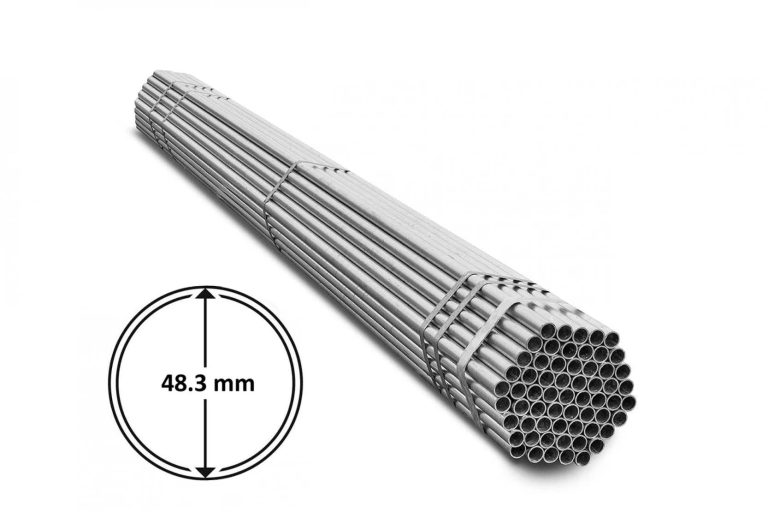
Tube-and-coupler scaffolding remains valuable because it can be configured around tanks, pipe racks, machinery, irregular structures and restricted areas. In practice, the system normally combines scaffold tubes, right-angle couplers, swivel couplers, sleeve connections, base components, platforms, access ladders, ties and bracing.
See Thien Phu’s curated BS1139 Tube & Coupler Scaffolding range for representative components.
03Relationship with EN 74 and other references
Modern project specifications may reference the EN 74 series for couplers and related components. BSI currently lists BS EN 74-1:2022+A1:2025 for tube couplers, BS EN 74-2:2022 for special couplers and BS EN 74-3:2007 for plain base plates and spigot pins.
04Be careful with old standard references
Older documents and legacy specifications are still widely quoted in catalogs. For example, BS EN 39:2001 historically covered loose steel tubes for tube-and-coupler scaffolds, but BSI lists that standard as withdrawn from 21 May 2026. A project team should therefore verify the current contract specification rather than assume that an old catalog reference remains current.
05What to verify before supply or rental
- tube outside diameter, wall thickness and material specification;
- coupler type and compatibility;
- required finish and corrosion protection;
- component condition and identification;
- project test, certification and inspection requirements;
- approved erection method, ties, bracing and working-platform arrangement.
06BS1139 as a project language, not a shortcut
The term is useful when describing a familiar system, but safe procurement requires component-level specifications. Thien Phu can review a BOQ or client specification and help identify the corresponding tubes, couplers and accessories before quotation.
For support, visit Contact & Technical Support.
Need help applying this to a real project?
Send your working height, load requirement, drawing, BOQ or site photos. Our team can help narrow the appropriate scaffolding or equipment approach.

Thien Phu Technical Editorial Team
Prepared from Thien Phu's field, product and project-support experience in Vietnam, then reviewed for terminology, standards context and practical use by the Thien Phu Technical Desk. Read our technical editorial policy →